
Using Visual Management to Spot the 8 Types Of Waste
Waste – anything that doesn’t add value to the customer – can show up in various forms. For businesses to thrive, eliminating these wastes is crucial.
Here’s a quick breakdown of the 8 types of waste:
- Overproduction – Making or buying more than needed.
- Transportation – Unnecessary movement of goods.
- Inventory – Excess stock that ties up resources.
- Defects – Rework due to errors.
- Motion – Wasted movement by workers, like walking for tools.
- Over processing – Doing more work than required.
- Waiting – Time lost due to delays, whether it’s customer or worker waiting.
- Skills – Untapped potential from employees not being fully utilised.

How Visual Management Helps Spot and Eliminate Waste?
In Lean thinking, waste hides in plain sight—slowing down processes, increasing costs, and reducing efficiency. Visual management brings these inefficiencies to the surface, making them easier to identify, understand, and eliminate. Here’s how visual tools help tackle each of the 8 wastes head-on:
1. Overproduction
Visual management tools like production boards and dashboards help track production against demand, reducing the risk of overproduction. This ensures that you only produce what’s needed, not excess
2. Transportation
With process flow diagrams and layout maps, visual management helps you see inefficiencies in the movement of goods. By visualising routes, you can identify bottlenecks and streamline the movement of materials.

Inventory
Visual tools such as Kanban systems and inventory boards provide real-time insights into stock levels, helping you avoid overstocking and maintain optimal inventory without tying up valuable resources.
Defects
Quality control boards and colour-coded labels make defects immediately visible, allowing teams to quickly spot and address issues, preventing costly rework or scrap.
Motion
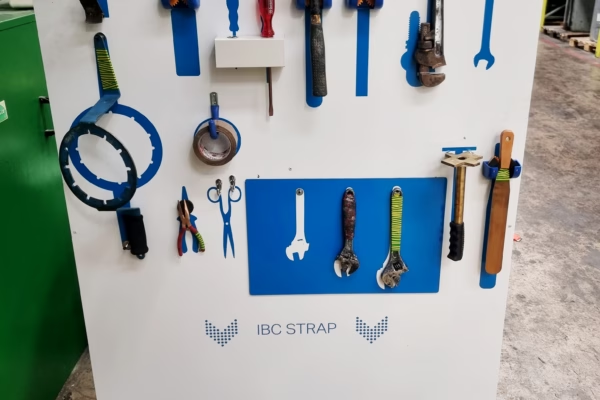
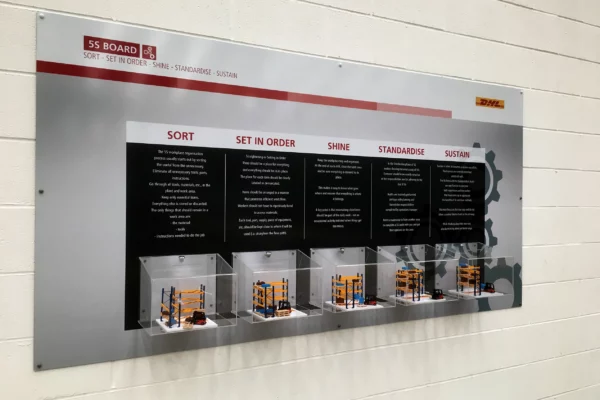
5S shadow boards and tool boards ensure that tools are always in place, reducing the need for unnecessary movement. This boosts efficiency and saves valuable time.
Overprocessing
Standardising processes through visual management helps teams quickly spot unnecessary steps. With clear expectations displayed, you can eliminate overprocessing and streamline your workflow.

Waiting
Visual tools like status boards or digital dashboards help reduce waiting time by highlighting delays or available resources. With this visibility, teams can keep things moving and avoid downtime.
Skills
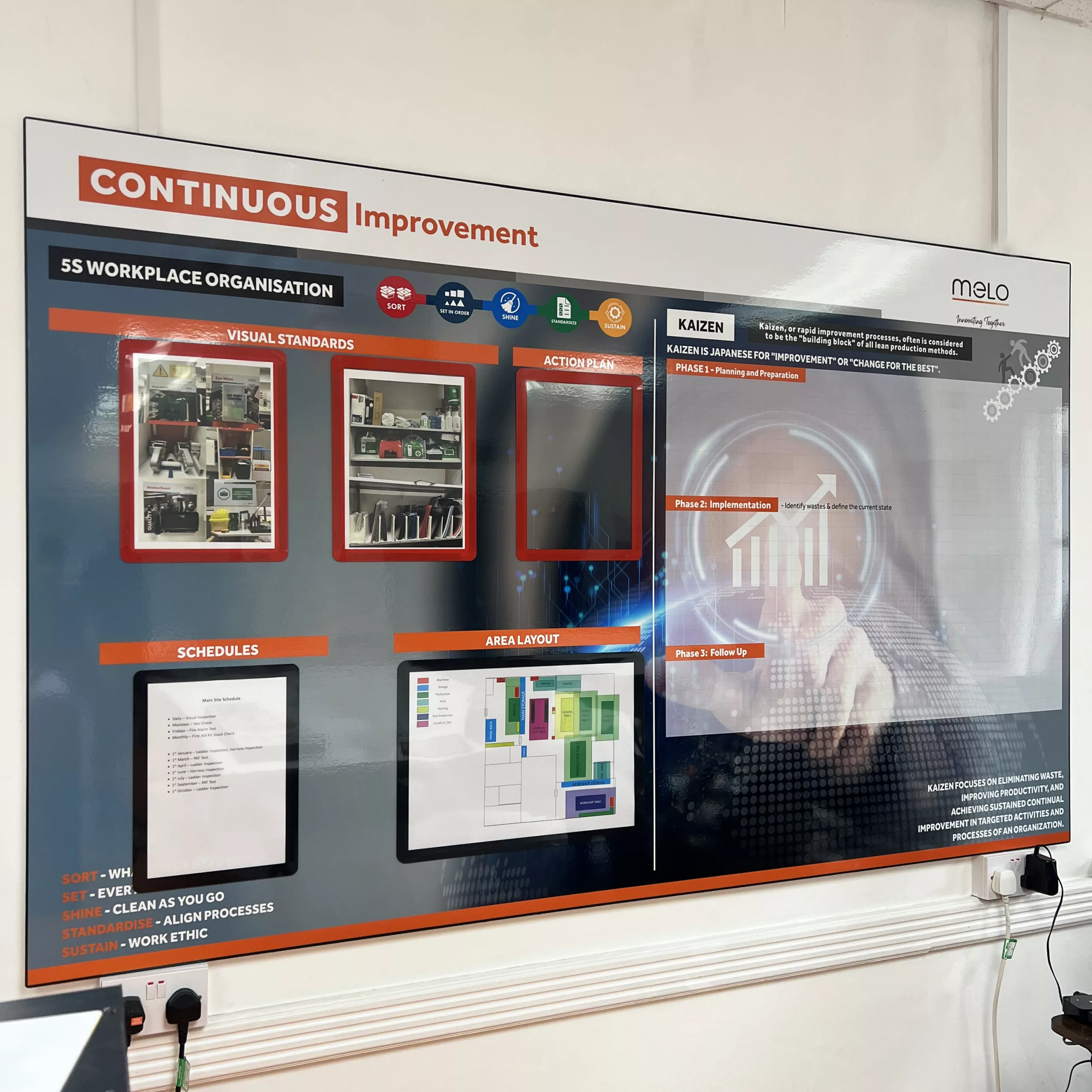
Visual management promotes engagement by making it easy for employees to contribute their ideas and identify areas for improvement. Tools like suggestion boards allow everyone to be part of the continuous improvement process.
Conclusion
Visual management isn’t just about tracking progress – it’s a powerful tool to spot waste, eliminate inefficiencies, and drive continuous improvement. By incorporating visual management into your daily operations, you can reduce waste, increase productivity, and create a more efficient workplace. It’s a crucial step toward achieving Lean and 5S excellence.
Ready to transform your operations? Contact us today and let us be part of your journey toward excellence with visual management!